This is the analog television standard for North America and Japan (as opposed to PAL for Europe). means this disc plays at 29.97 frames per second. Because The Phantom Menace was shot on film at 24fps, an NTSC DVD requires a telecine process called “3:2 pulldown.” Early 1999 bootlegs often got this wrong, resulting in a slight stutter during panning shots. Purists argue that the imperfect NTSC conversion on these early DVD-Rs actually replicates the feel of watching a 35mm print running through a slightly uncalibrated projector.
This is the most controversial part of the keyword. "DVD-R" typically refers to a DVD-Recordable—a disc that was burned using a computer drive, rather than
When The Phantom Menace was released on home video in April 2000, DVD was still a nascent format. Most households still used VHS. Early DVDs were often "flippers" (dual-sided, one side fullscreen, one side widescreen) and lacked the elaborate menus we expect today.
First, a history lesson. Star Wars: Episode I – The Phantom Menace premiered in theaters on May 19, 1999. The DVD format, however, was still in its infancy. While DVDs launched in North America in March 1997, the first official DVD release of The Phantom Menace did not occur until —over two years after the theatrical run.
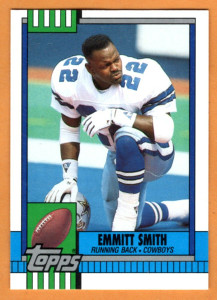
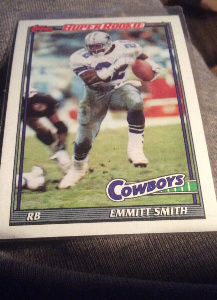
Take/Upload a sports card photo. Find the best match in our database.
Example Photos
Best Matches