One of the criticisms of MUGEN in the past was the visual inconsistency. You might have a character that looks like a Game Boy Advance sprite fighting against a character drawn in 4K resolution. It looked messy.
The most immediate draw of Dragon Ball MUGEN Kodaika is the roster size. Official games like Dragon Ball Xenoverse 2 or Budokai Tenkaichi 3 boast impressive numbers, usually hovering around 100 to 150 characters. Kodaika blows these numbers out of the water.
When you load up a match in a high-quality build, you are greeted with:
Dragon Ball Mugen Kodaika is not just another roster pack. It is a —a curated, polished, and remastered experience designed by a dedicated (and often anonymous or pseudonymous) team of sprite artists, coders, and combo enthusiasts. Its primary goal is to simulate what a hypothetical Dragon Ball Z fighter by SNK or Capcom in the late 90s would feel like, but with a modern balance philosophy.
Many people confuse Kodaika with Hyper Dragon Ball Z (a fantastic standalone fan game). While Hyper DBZ is an original engine, Kodaika runs on Mugen. However, the best Kodaika builds borrow Hyper DBZ’s sprite work and implement it into the Mugen engine, creating a hybrid beast.
To understand the hype surrounding Kodaika, one must first understand the context of MUGEN. MUGEN is essentially a blank canvas. It allows users to import "sprites" (character graphics), code movesets, design stages, and build interfaces. Because of this, there is no single "official" Dragon Ball MUGEN game. Instead, there are "compilations"—custom builds put together by fans that package hundreds of characters and stages into one downloadable game.

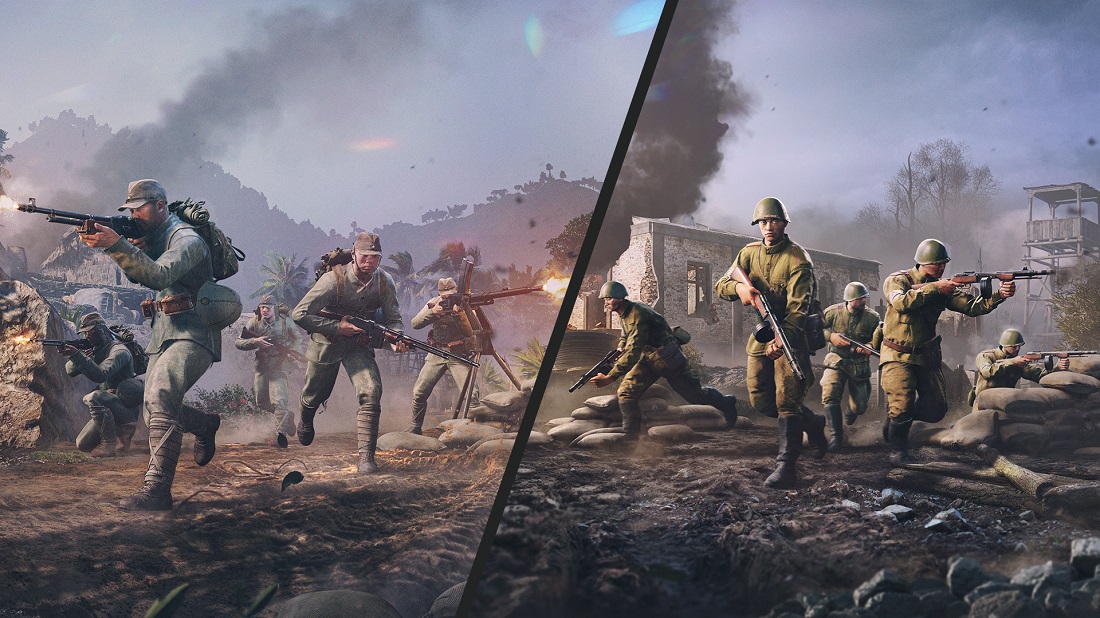
В ноябрьском обновлении Enlisted кардинально преобразился! Отдельные игровые кампании были объединены в 4 страны. Старое линейное развитие было заменено на ветки развития, и речь о прокачке не только стран, но и солдат. Вместо заявок теперь единая валюта — Серебро. А обновлённый матчмейкинг собирает бои из исторических противников, учитывая силу их оружия.
Об обновленииOne of the criticisms of MUGEN in the past was the visual inconsistency. You might have a character that looks like a Game Boy Advance sprite fighting against a character drawn in 4K resolution. It looked messy.
The most immediate draw of Dragon Ball MUGEN Kodaika is the roster size. Official games like Dragon Ball Xenoverse 2 or Budokai Tenkaichi 3 boast impressive numbers, usually hovering around 100 to 150 characters. Kodaika blows these numbers out of the water.
When you load up a match in a high-quality build, you are greeted with:
Dragon Ball Mugen Kodaika is not just another roster pack. It is a —a curated, polished, and remastered experience designed by a dedicated (and often anonymous or pseudonymous) team of sprite artists, coders, and combo enthusiasts. Its primary goal is to simulate what a hypothetical Dragon Ball Z fighter by SNK or Capcom in the late 90s would feel like, but with a modern balance philosophy.
Many people confuse Kodaika with Hyper Dragon Ball Z (a fantastic standalone fan game). While Hyper DBZ is an original engine, Kodaika runs on Mugen. However, the best Kodaika builds borrow Hyper DBZ’s sprite work and implement it into the Mugen engine, creating a hybrid beast.
To understand the hype surrounding Kodaika, one must first understand the context of MUGEN. MUGEN is essentially a blank canvas. It allows users to import "sprites" (character graphics), code movesets, design stages, and build interfaces. Because of this, there is no single "official" Dragon Ball MUGEN game. Instead, there are "compilations"—custom builds put together by fans that package hundreds of characters and stages into one downloadable game.

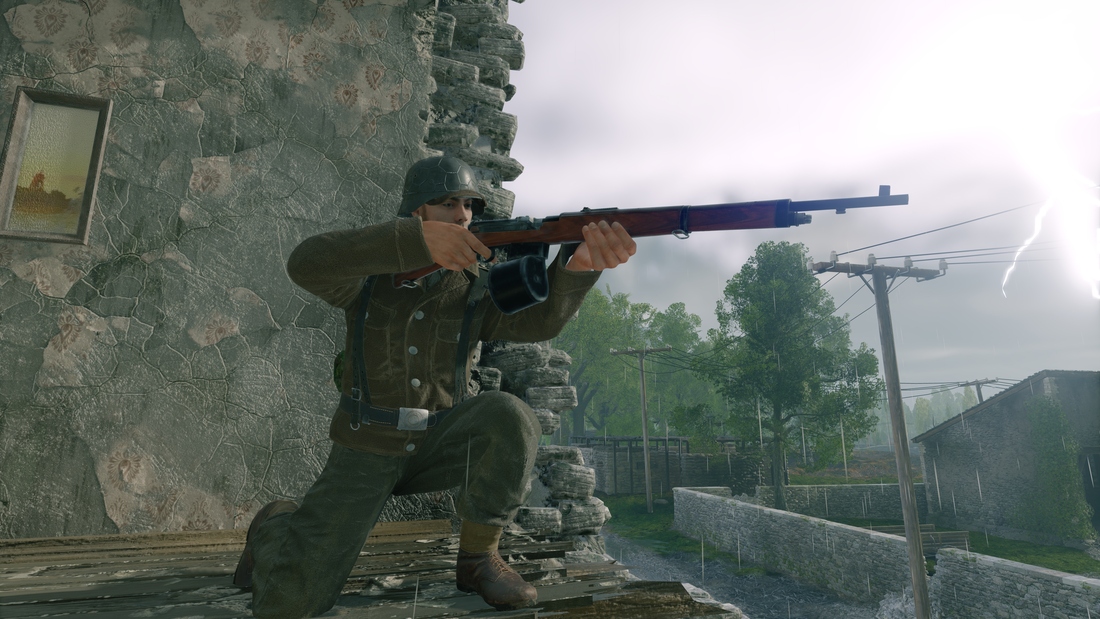
Здесь сражаются отряды, и каждый подчиняется своему командиру — живому игроку. Отдавайте приказы на атаку, защиту и уничтожение, переключайтесь между солдатами своего отряда, даже если погибли сами.
Каждого бойца можно вооружить и обучить под свой стиль игры. А каждый отряд — сформировать солдатами нужного класса.

В одном бою можно поочерёдно использовать несколько отрядов с разными специалистами.
Каждый эффективен в своей боевой обстановке, обучен обращению с уникальным оружием класса и имеет доступ к специализированным способностям. dragon ball mugen kodaika

США, Германия, СССР, Япония. С их уникальными солдатами, вооружением, бронетехникой и авиацией сражаются на исторических фронтах Второй Мировой. One of the criticisms of MUGEN in the

Пользовательский контент и встроенный редактор модификаций позволяют создавать уникальные миссии даже за рамками сеттинга Второй мировой. Многочасовые битвы на огромных картах, сражения шагающих роботов, перестрелки на других планетах, современная война и даже уникальные режимы игры, такие как «Гангейм». В мультиплеере! The most immediate draw of Dragon Ball MUGEN


В нашем магазине можно купить редкие отряды, которые ускорят развитие и упростят знакомство со всеми возможностями Enlisted.