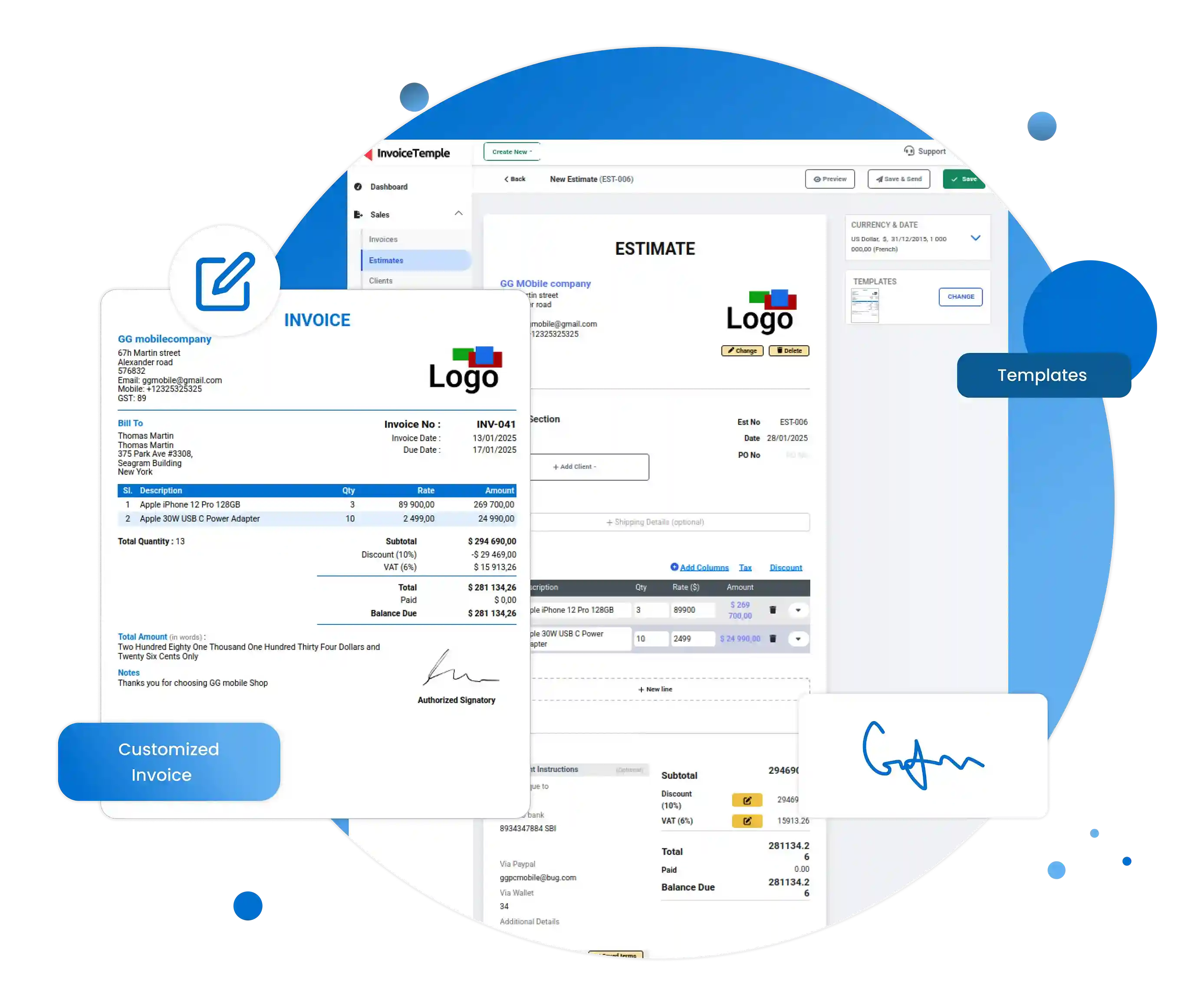
Pick the estimate template from InvoiceTemple invoicing software.
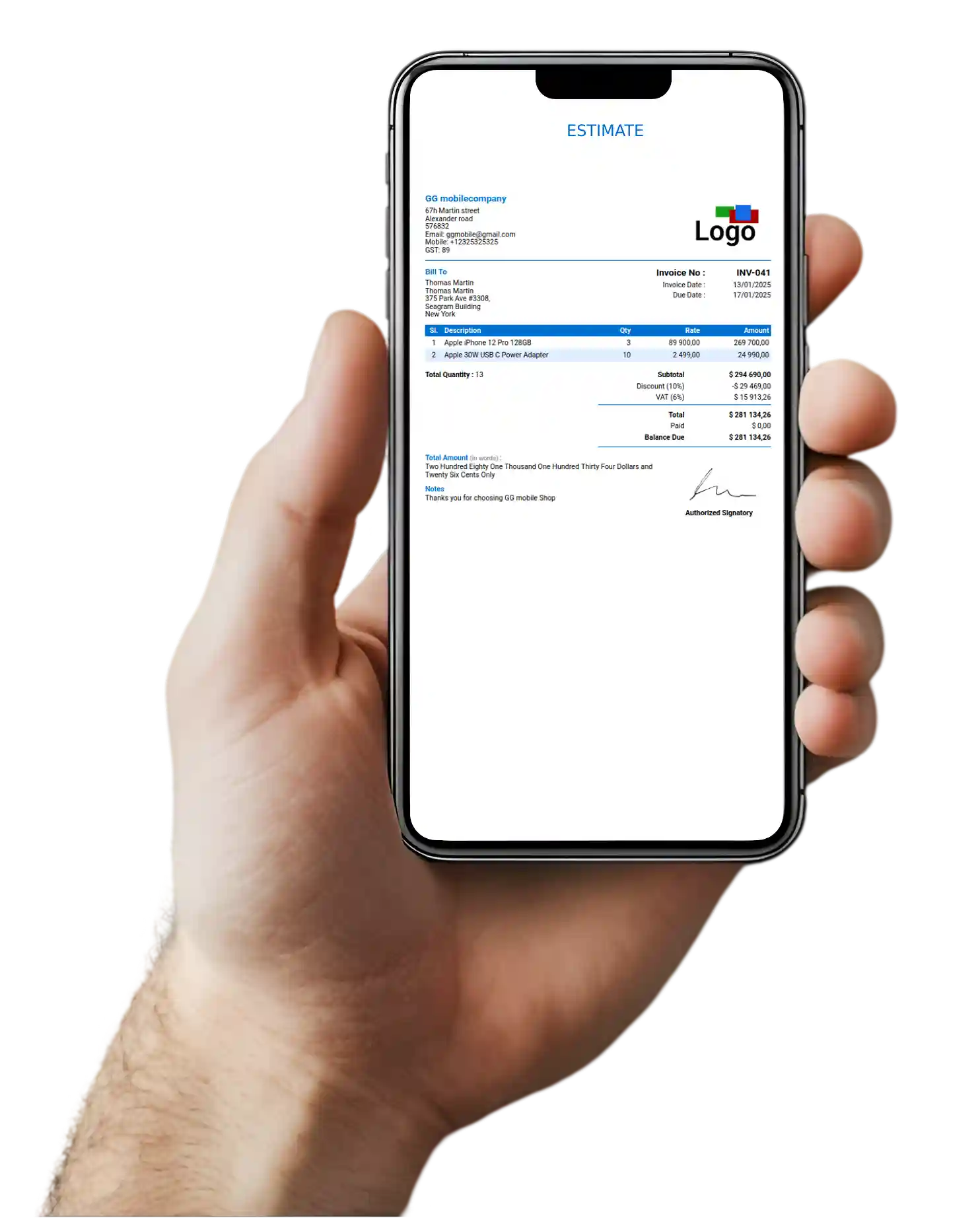
An estimate is the preliminary document that is forwarded to the client regarding the business deal. InvoiceTemple offers a collection of free estimate templates, which are easy to download and are downloadable in any format you prefer. You can alter it according to your wish and forward it to the client.
With InvoiceTemple you can generate the estimate within a few clicks.
Why delay? Start using our InvoiceTemple invoicing software, generate professional estimates, get them approved and set your business standard high.
However, as the 21st century has progressed, the silver screen has begun to hold a more accurate mirror to society. Statistics show that the traditional nuclear family is no longer the statistical majority in many Western nations. Modern cinema has responded to this shift, moving away from the "wicked stepmother" tropes of Disney fairytales to explore the messy, hilarious, and poignant realities of blended family dynamics. Today, films about step-families are no longer cautionary tales about broken homes; they are nuanced explorations of resilience, chosen bonds, and the redefinition of what it means to belong.
Furthermore, contemporary films have begun to critique the pressure for blended families to perform "normalcy." The cultural demand that step-parents and step-siblings immediately mimic biological bonds often creates a toxic pressure cooker. No film captures this suffocating performance better than The Royal Tenenbaums (2001) and, more recently, The Farewell (2019) through its subtext of chosen family. However, the most devastating critique comes from the horror genre, which has weaponized the blended family to explore the terror of invasive intimacy. In Ari Aster’s Hereditary (2018), the Graham family’s tragedy is catalyzed by the friction between the grieving mother, Annie, and her quiet, detached son, Peter—a dynamic complicated by the death of Annie’s mother, a matriarch who despised Peter. While not a traditional step-family, the film operates on a "blended" logic of fractured loyalties and inherited trauma. The horror emerges not from a ghost, but from the realization that blood does not guarantee empathy, and that a parent can look at a child and see a stranger. This dark turn suggests that the very attempt to force a blended unit into a nuclear mold can be psychologically annihilating. MomsTeachSex 24 07 23 Gina Gerson Stepmom Is Up...
Modern cinema has largely shifted away from the "evil stepparent" trope toward a more grounded, empathetic exploration of . While historical portrayals often treated stepfamilies as inherently dysfunctional or as intruders on a "perfect" nuclear unit, contemporary films increasingly frame these families as units forged by conscious choice and shared resilience. The Shift from "Deficit" to "Choice" However, as the 21st century has progressed, the
If you're looking to create educational content or a guide about stepmom relationships or similar topics, here are some general tips: Today, films about step-families are no longer cautionary
In the late 20th century, films like Stepmom (1998) began to chip away at this façade, but the conflict was still largely rooted in the tragedy of divorce and the competition for the children's love. The dynamic was zero-sum: for the stepmother to win, the biological mother had to lose.
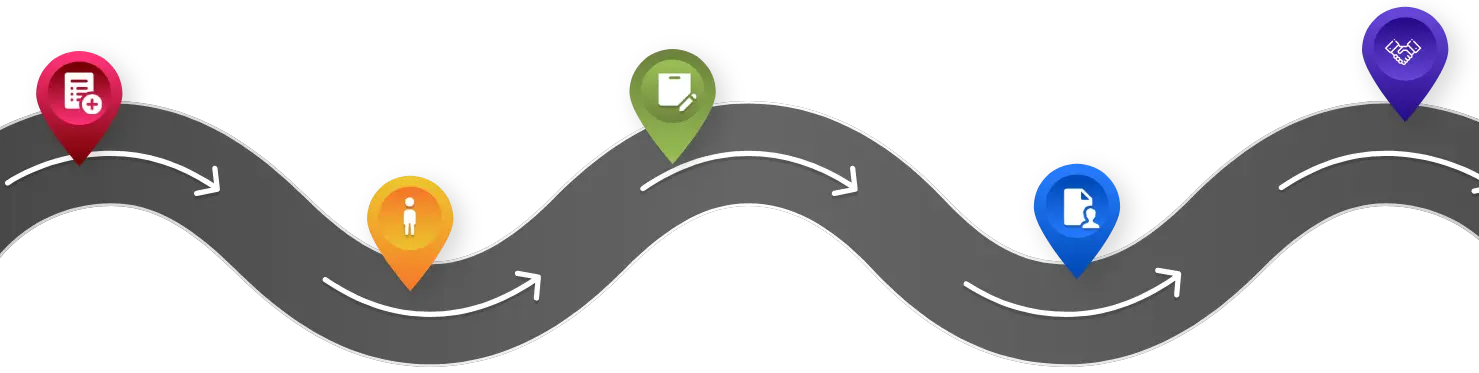
Pick the estimate template from InvoiceTemple invoicing software.
Enter the client details, products and services details, payment instructions, tax details, any other applicable charges, total amount, and any other essential details.
Review the estimate and forward to client.
Review the details before converting the drafted estimate into an invoice.
After the approval, change the estimate immediately to invoice within a click.
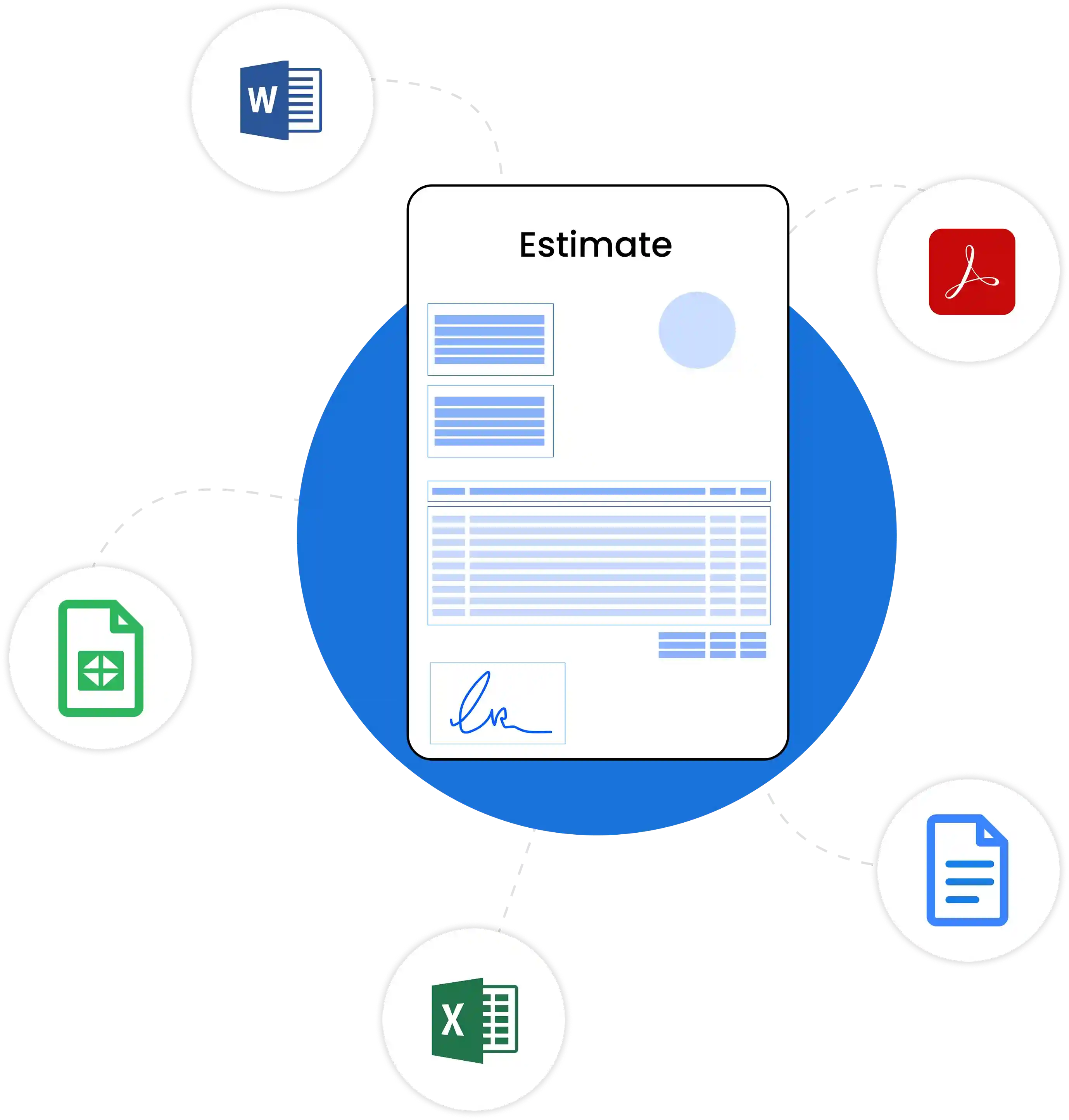
The estimates are the documents shared between the seller and the buyer during the purchasing process. Hence, it must be in an easily accessible and a convenient format for both. This easy accessibility ensures flexibility in sharing the documents. These downloadable template formats make sure the document is compatible with any platform for easy sharing and viewing. Also, these templates are ready to use, so it saves a considerable amount of time for the business owner.
InvoiceTemple, the invoicing software for small business offers numerous blank estimate templates for your estimation process. The key advantage is that you can download and access these templates in various formats, including Microsoft Excel, Google Sheets, Microsoft Word, Google Docs, and PDF. Simply download the estimate template in the format you prefer, input the information, share it with clients, streamline your workflow, and increase your productivity.
InvoiceTemple, the invoicing software for small business offers numerous estimate templates. It saves your valuable time.
However, as the 21st century has progressed, the silver screen has begun to hold a more accurate mirror to society. Statistics show that the traditional nuclear family is no longer the statistical majority in many Western nations. Modern cinema has responded to this shift, moving away from the "wicked stepmother" tropes of Disney fairytales to explore the messy, hilarious, and poignant realities of blended family dynamics. Today, films about step-families are no longer cautionary tales about broken homes; they are nuanced explorations of resilience, chosen bonds, and the redefinition of what it means to belong.
Furthermore, contemporary films have begun to critique the pressure for blended families to perform "normalcy." The cultural demand that step-parents and step-siblings immediately mimic biological bonds often creates a toxic pressure cooker. No film captures this suffocating performance better than The Royal Tenenbaums (2001) and, more recently, The Farewell (2019) through its subtext of chosen family. However, the most devastating critique comes from the horror genre, which has weaponized the blended family to explore the terror of invasive intimacy. In Ari Aster’s Hereditary (2018), the Graham family’s tragedy is catalyzed by the friction between the grieving mother, Annie, and her quiet, detached son, Peter—a dynamic complicated by the death of Annie’s mother, a matriarch who despised Peter. While not a traditional step-family, the film operates on a "blended" logic of fractured loyalties and inherited trauma. The horror emerges not from a ghost, but from the realization that blood does not guarantee empathy, and that a parent can look at a child and see a stranger. This dark turn suggests that the very attempt to force a blended unit into a nuclear mold can be psychologically annihilating.
Modern cinema has largely shifted away from the "evil stepparent" trope toward a more grounded, empathetic exploration of . While historical portrayals often treated stepfamilies as inherently dysfunctional or as intruders on a "perfect" nuclear unit, contemporary films increasingly frame these families as units forged by conscious choice and shared resilience. The Shift from "Deficit" to "Choice"
If you're looking to create educational content or a guide about stepmom relationships or similar topics, here are some general tips:
In the late 20th century, films like Stepmom (1998) began to chip away at this façade, but the conflict was still largely rooted in the tragedy of divorce and the competition for the children's love. The dynamic was zero-sum: for the stepmother to win, the biological mother had to lose.